In-Short
One Model Is Not the Whole Operation
Most people still imagine AI work as one smart assistant answering one request. That works for simple tasks. It breaks when the work needs files, tools, approvals, specialist steps, or follow-up checks. The real value is not only the answer. It is the routing system behind the answer.
Dispatch Is the Missing Layer
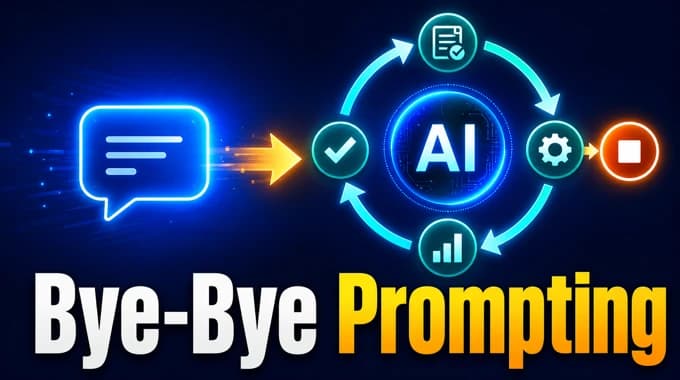
A dispatch desk does not do every job itself. It receives the request, checks what is needed, sends the right work to the right person, and keeps track of the status. AI orchestration works the same way. It connects prompts, agents, tools, data, and review points into one operational flow.
Handoffs Need Rules
Without routing rules, AI can guess the next step, use the wrong tool, or continue when it should stop. That is why orchestration needs clear handoffs: when to call a specialist, when to use a tool, when to ask for missing input, and when to escalate. This connects directly to When AI Should Stop and Ask a Human.
The Goal Is Controlled Movement
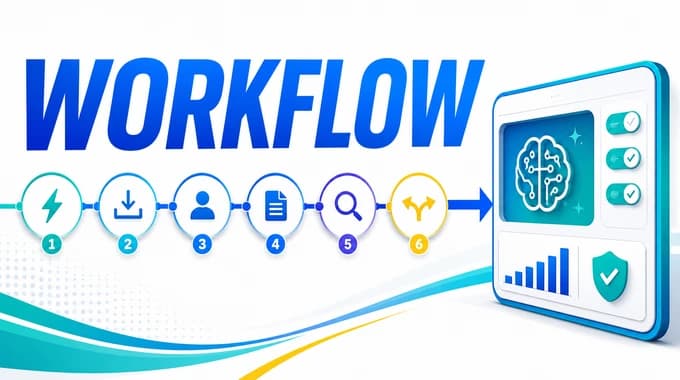
Good orchestration does not make AI magical. It makes the work move safely. A business workflow should know the trigger, the current state, the next owner, and the review point. That is the difference between a chat answer and an operation.
The Problem Is Not Intelligence. It Is Coordination
Long Read
AI models are already useful at explaining, summarizing, rewriting, comparing, classifying, and drafting.
But business work rarely stops at one answer.
A support request may need customer data. A marketing task may need brand rules. A reporting task may need source rows. A website task may need assets, SEO inputs, and acceptance checks.
In those situations, asking one AI model to "handle it" is too vague.
The better question is: where should this piece of work go next?
That is the orchestration question.