In-Short
The Engine Is Not the Whole Machine
Teams often say they are "choosing an AI tool" when they are really mixing three different things together. The first layer is the model: the reasoning engine that produces answers, code, summaries, and classifications. But an engine alone does not tell you where work comes from, what files matter, or how quality gets checked.
Apps Add Memory, Interface, and Habit
The second layer is the app. This is where the model becomes usable for daily work. ChatGPT Projects group chats, files, and instructions together for repeated work. Gemini Gems package reusable behavior for repeat goals. The app layer shapes how people actually work with the model.
Harnesses Turn Talent Into Process
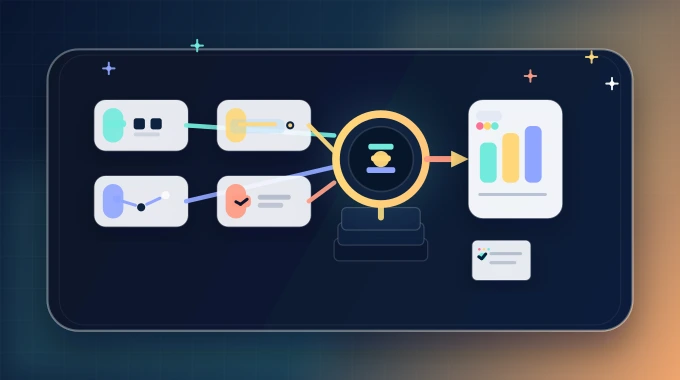
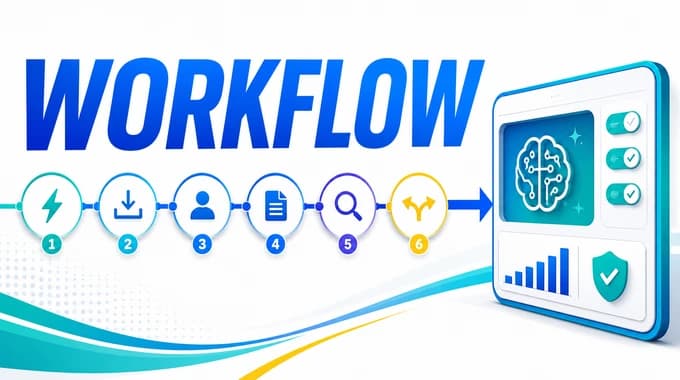
A harness is the setup around the model and app: instructions, files, connectors, tools, routing rules, review steps, and handoff logic. Without that layer, every prompt starts from zero. With it, the AI stops acting like a one-off helper and starts acting like part of an operating system.
Buy for the Job, Not the Brand
Companies buy whatever has the strongest reputation, then expect that strength to fix messy workflows on its own. Start with the recurring job instead, then ask which layer is missing. Sometimes you need a better model. Often you need a better app. Very often, you need a harness.
Most AI Buying Errors Start With a Category Mistake
Long Read
A lot of AI confusion comes from language.
People say "tool", "model", "assistant", "agent", and "platform" as if they all mean the same thing. They do not. That makes buying decisions sloppy from the start.
If one team member is talking about a frontier model, another is talking about ChatGPT or Gemini as a product, and a third is talking about an internal workflow with files, rules, and approvals, they are not evaluating one thing. They are evaluating three.
That category mistake leads to bad expectations.
One person expects better reasoning. Another expects a nicer interface. Another expects automation and memory. Then everyone feels disappointed because the purchase was never defined clearly.
This is also why articles like AI Orchestration Is Like a Dispatch Desk matter. The business problem is usually not "How do I get one better answer?" It is "How do I make useful answers happen reliably inside real work?"