Last updated June 20, 20263 min read

Split AI Answers Into Facts, Assumptions, and Recommendations

Quick Win: ask AI to split its answer into facts, assumptions, and recommendations so you can see what is verified, what is guessed, and what it suggests doing next.

Three labeled AI answer cards separating facts, assumptions, and recommendations before a business decision.

Share this quick win

Share this quick win on LinkedIn

Summarize with AI

ChatGPTPerplexityClaude
Table of Contents

In-Short

Split The Answer Before You Use It

AI often writes one smooth answer that mixes facts, guesses, and advice. That can sound reliable even when part of the answer is only inferred from context.

Use three buckets: facts, assumptions, and recommendations. The split turns a confident answer into a review checklist before you act.

Facts Are What You Can Check

Facts are the parts that can be verified against a source, dataset, message, report, contract, product page, or business record.

If AI says CTR dropped, revenue increased, a deadline moved, or a policy says something specific, ask where that fact comes from and whether the source is current.

Assumptions Are Hidden Review Points

Assumptions are what AI is guessing from context. They often hide inside confident sentences about the cause of a problem, the audience, the priority, the budget, or what success means.

Do not treat assumptions as mistakes by default. Treat them as review points. If the assumption is wrong, the recommendation may still sound good but point in the wrong direction.

Recommendations Are Suggested Next Steps

Recommendations are what AI suggests doing next. They can be useful, but they are not verified just because they are written clearly.

A good recommendation should connect back to checked facts and visible assumptions. If the fact bucket is weak, check sources first. If the assumption bucket is large, give AI better context before choosing a next step.

Business Example

AI says: This campaign failed because the audience was wrong.

* Fact: CTR dropped. * Assumption: the audience was wrong. * Recommendation: test a new segment. * What to check: spend, offer, landing page, tracking, timing, and whether the drop happened across all segments or only one audience.

The split changes the decision. You may still test a new segment, but you first check whether the campaign problem was really audience fit or something easier to fix.

The Prompt Is Small

Use this exact pattern: Separate this into facts I can verify, assumptions you are making, and recommendations. Keep it short. Tell me what I should check before acting.
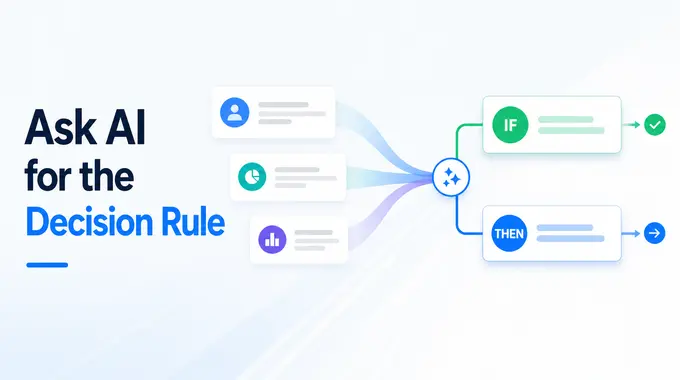
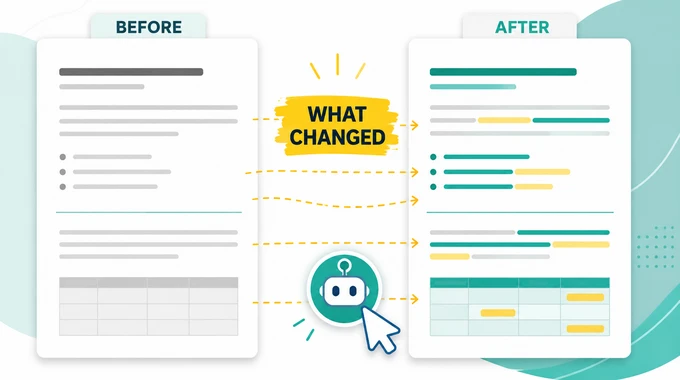

This works well for summaries, campaign analysis, competitor notes, project scopes, reporting conclusions, and business decisions. Pair it with Critical Means No Compliments when you want the weak parts faster.

See for Yourself

Real Example

Prompt Script

Copy / paste

Separate this answer into three buckets: facts I can verify, assumptions you are making, and recommendations. Keep it short. Tell me what I should check before acting.

Try Yourself

About the author

Nikita Goncharenko

Nikita Goncharenko

AI Fast Integrator

Nikita Goncharenko uses AI as a practical delivery layer for research, coding, documentation, content systems, and faster decisions.