In-Short
Core Idea
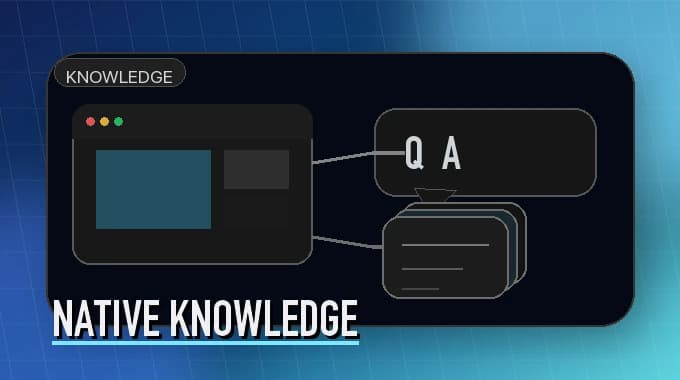
The better structure is not a detached blog archive. It is a site where short proof, deeper explanation, and direct Q and A support each other.
Why It Matters
Visitors do not all want the same depth. Some want to scan, some want detail, and some want to ask a direct question. A native system lets them switch depth without losing orientation.
How It Works
Cards provide fast proof, insight articles provide reusable structure, and AI-Nikita handles retrieval and follow-up. The value comes from linking those layers instead of separating them.
Simple Way to Imagine It
It is a knowledge building, not a pile of documents. Each floor serves a different level of depth, but the staircase is shared.
Native knowledge is easier to trust
Long Read
A portfolio usually offers short summaries or detached long-form content. The better option is to make those layers support each other inside one site system.
That is the point of combining cards, long-form posts, and AI-Nikita. Visitors can skim, dive deeper, or ask direct questions without being pushed into a separate blog archive or popup flow.