In-Short
Advice Is Not Action
AI gives you options, pros, cons, and risks, and you still do not know what to do. A decision rule turns the answer into something you can reuse without rereading it.
Ask for If This, Then That
After the advice, add: End with one decision rule: if X, do Y; if not, do Z. AI has to name the condition, the choice, and the fallback.
Weak Rules Expose Weak Advice
If the rule is vague, like "choose the best option for your goals", the answer was not ready. Ask AI to name the real condition: budget, deadline, risk, owner, or quality bar. A rule shows whether the advice is usable.
Then Ask for the Next Action
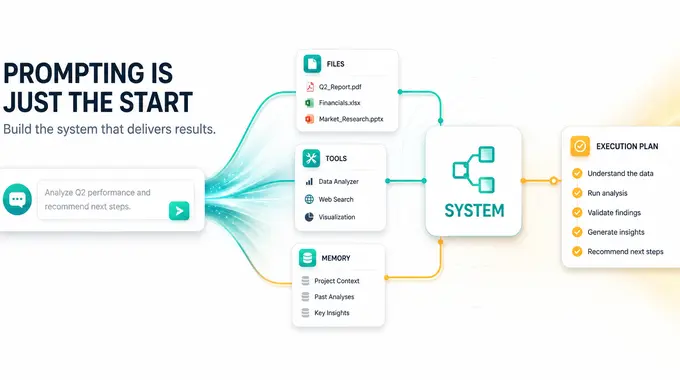
The rule says how to choose. The next action says what to do now. Ask for next action, owner, input needed, and first check. If the answer mixes evidence and advice, pair it with Split AI Answers Into Facts, Assumptions, and Recommendations.
Prompt Script
Copy / paste
I need to decide whether this task is ready for AI: [describe the task]. Give me one decision rule in this format: If X, do Y. If not, do Z. Then return only: next action, owner, input needed, and first check.